

The winter cold can be a nightmare for concrete pouring. At the same time, stricter environmental regulations make it difficult to rely on old heating methods like portable boiler units. But with Suncon Zero 3, the construction industry can face the cold and the requirements with ease.
When the temperature drops, construction projects face additional challenges. Concrete requires a certain temperature to cure, and the new environmentally friendly concrete needs at least 10–12 degrees Celsius to cure properly without the use of chemical additives.
Alf Egil Mathisen is a concrete technologist at Veidekke and knows well the challenges that arise in cold conditions.
– When the temperature starts approaching zero degrees, we need to take measures. If we cannot keep the concrete temperature on the positive side, we risk weaker curing. That can lead to damage in the concrete, Mathisen explains.
Time for new pouring traditions
For many years, the construction industry has used heating during pouring to keep the concrete warm and ensure proper curing in winter cold. Traditionally, this has involved large diesel generators or hot air blowers, known as kokkoverk in Norway, which heat the air around the concrete. The problem with this method is that it requires large amounts of energy and produces high CO2 emissions. In addition, kokkoverk heat unnecessarily large areas, and much of the warmth is often wasted into the surroundings. This makes the method both costly and inefficient.
With increasingly strict environmental regulations, the industry must find more efficient and sustainable solutions to ensure solid constructions all year round.
This is where Suncon Zero 3 comes into the picture.
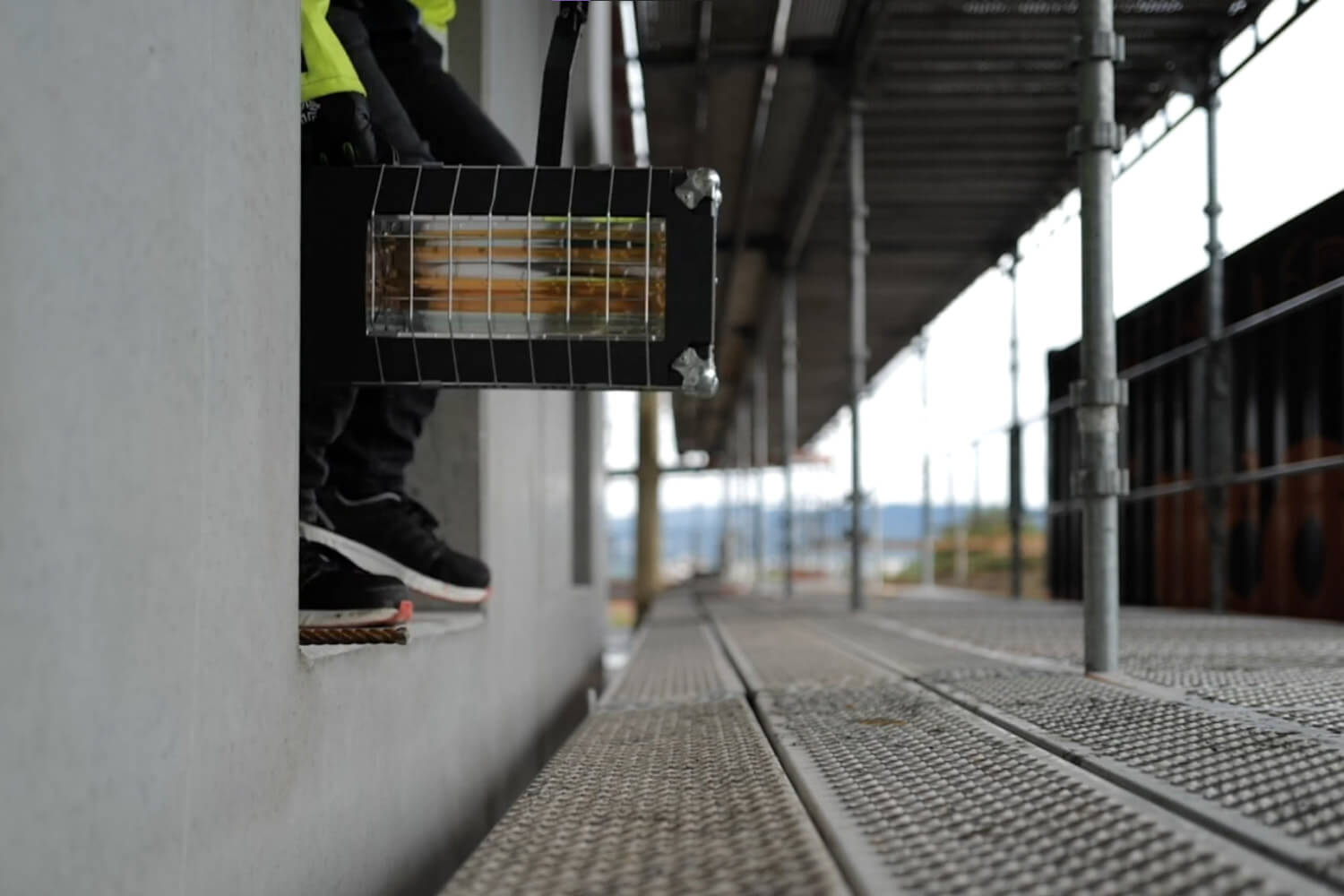
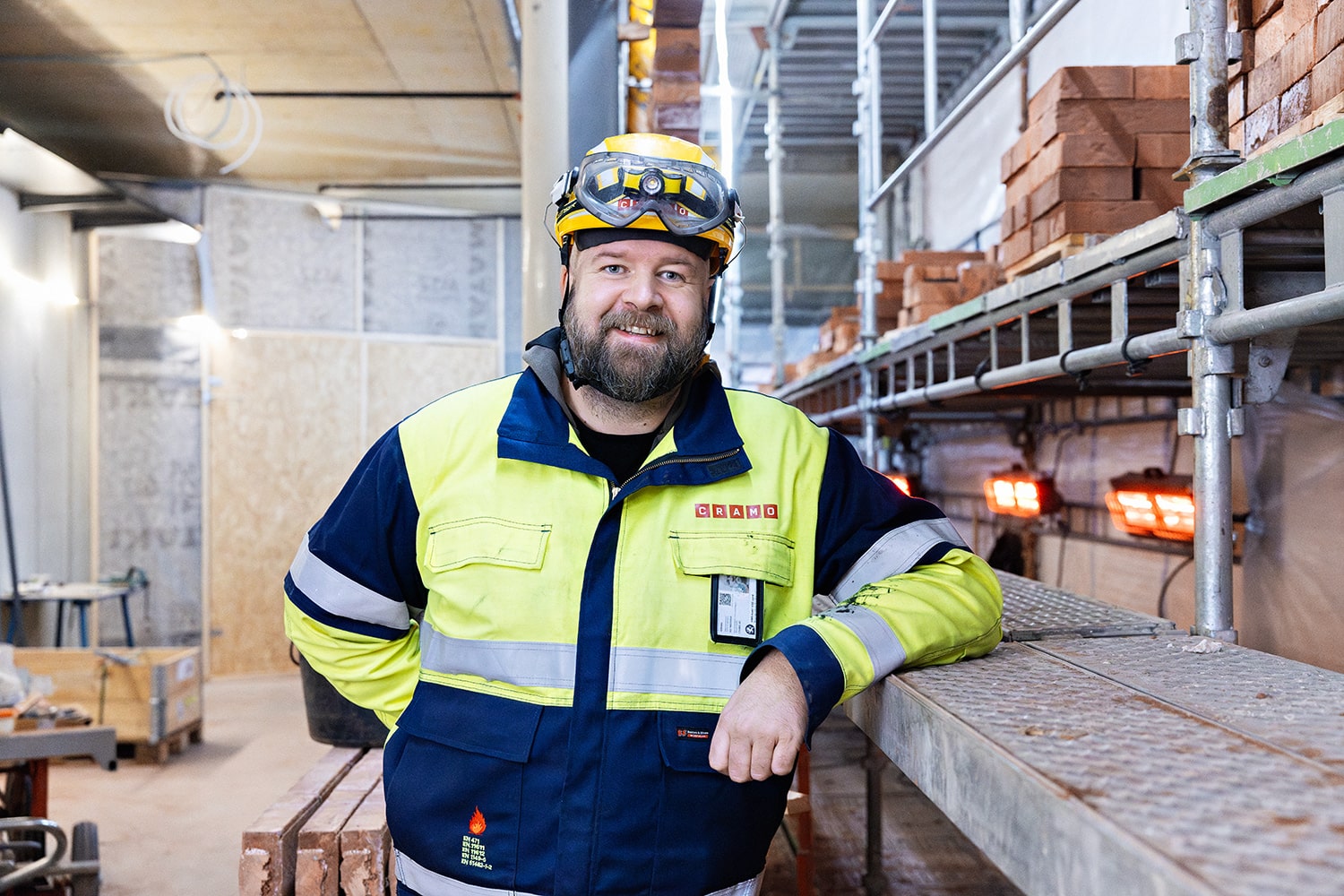
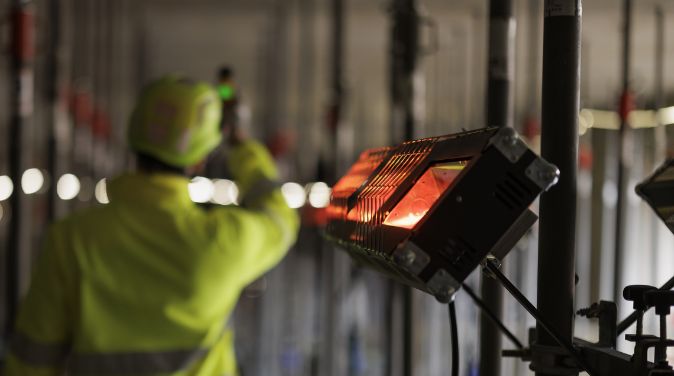
Suncon Zero 3 is a radiant heater that directs heat straight onto the concrete surface that needs curing. This works in the same way as the sun’s rays warm up a surface. The radiant heating technology releases energy when it hits the concrete, ensuring more efficient and targeted heating – even in sub-zero temperatures.